
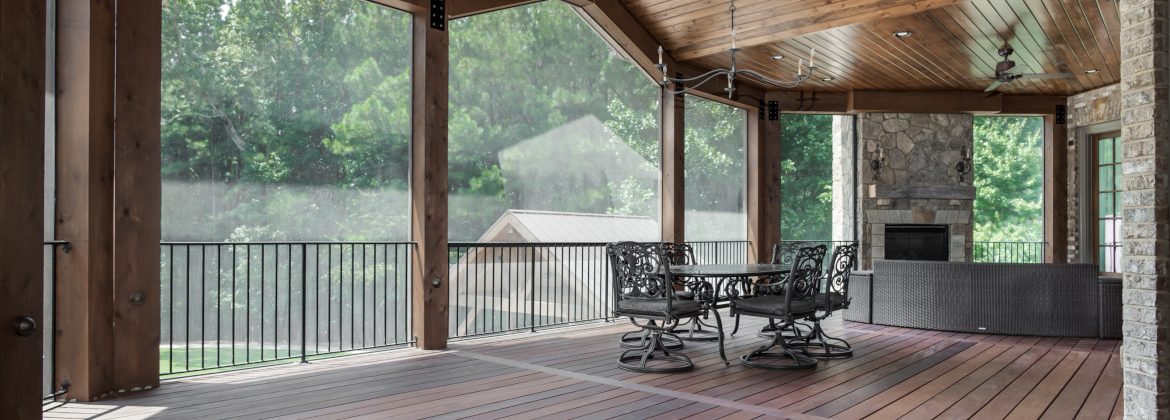
Fixed Screens vs. Retractable Screens: Which Is Right for Your Outdoor Space?
If you’ve ever stood on your porch on a perfect spring afternoon—doors open, breeze rolling through—only to retreat inside because of bugs or pollen, you already understand why screens matter.
What many homeowners don’t realize is how much the type of screen they choose can change the way they actually use their outdoor space. Fixed screens and retractable screens both solve the bug problem, but they create very different experiences once they’re installed.
If you’re weighing your options, here’s a clear, honest breakdown to help you choose what truly fits your home and lifestyle.
Why Screen Choice Isn’t Just a Small Detail
Screens aren’t just functional add-ons anymore. Today, they play a major role in:
- How open or closed your home feels
- Whether you use your porch seasonally or year-round
- How much natural light and airflow you get
- The overall look and value of your home
The right screen system can make your porch feel like an extension of your living space. The wrong one can make it feel like a compromise.
What Are Fixed Screens?
Fixed screens are what most people picture when they think of a screened-in porch. They’re permanently installed panels, typically framed in aluminum or wood, and they stay in place year-round.
Pros of Fixed Screens
- Durable and sturdy
- Typically lower upfront cost
- Simple, proven solution for bug protection
- Minimal moving parts
Cons of Fixed Screens
- Always visible, even when bugs aren’t an issue
- Can partially block views and natural light
- Less flexibility for changing weather or seasons
- Harder to modernize without full replacement
Fixed screens work well for homeowners who want a permanent enclosure and know they’ll never want the porch fully open.
What Are Retractable Screens?
Retractable screens offer a more flexible approach. They can be manually operated or motorized, disappearing neatly into a housing when not in use and deploying only when needed.
Pros of Retractable Screens
- Enjoy open-air views when screens aren’t needed
- Protection from bugs, pollen, and debris when they are
- Cleaner, more modern appearance
- Seamlessly integrates with outdoor living designs
- Motorized options add convenience and ease of use
Cons of Retractable Screens
- Higher initial investment
- Professional installation is strongly recommended
- Requires occasional maintenance to keep tracks clean
Retractable screens are ideal for homeowners who want control—open when the weather’s perfect, protected when it’s not.
Lifestyle Comparison: How You’ll Actually Use the Space
This is where the decision usually becomes clear.
Entertaining Friends and Family
If you host often, retractable screens let you adapt instantly. Start the evening wide open, then close the screens as bugs come out—without disrupting the flow of the gathering.
Fixed screens, while effective, permanently change the feel of the space.
Everyday Living
Morning coffee, evening dinners, watching kids or pets in the yard—retractable screens preserve visibility and connection to the outdoors when fully open.
Seasonal Use
Spring pollen, summer insects, cooler fall evenings—retractable screens adjust with the season. Fixed screens treat every day the same, even when you’d prefer fresh air and open views.
Visual Impact and Home Value
Modern homes emphasize openness, light, and connection to the outdoors. Retractable screens support that trend by staying out of sight when not in use.
From a curb appeal standpoint:
- Retractable systems maintain architectural lines
- Fixed screens can make spaces feel boxed-in
- Buyers increasingly value flexible outdoor living areas
While both options add functional value, retractable screens often enhance perceived value because they offer versatility without visual clutter.
Maintenance and Longevity
No screen system is maintenance-free, but expectations differ.
Fixed screens may need:
- Occasional panel replacement
- Frame cleaning
- Repairs after storms or impact damage
Retractable screens benefit from:
- Keeping tracks clear
- Gentle cleaning of mesh
- Periodic inspection of moving components
With proper care, both options are long-lasting. The key difference is that retractable systems trade simplicity for flexibility.
Which Screen Is Right for You?
Ask yourself a few honest questions:
- Do I want my porch fully open at times?
- Is preserving my view important?
- Do I entertain or use the space year-round?
- Am I upgrading an existing porch or designing something new?
If your answer leans toward flexibility and openness, retractable screens are usually the better fit. If permanence and simplicity matter more, fixed screens may be enough.
Final Thoughts
Screens should enhance how you live—not limit it.
The best choice isn’t about what’s “better” overall. It’s about what works best for your home, your habits, and your vision for outdoor living.
A thoughtful screen solution turns a porch into a place you actually want to use—season after season.
